

Understanding Personality Disorders
Personality disorders involve long term patterns in how a person thinks, feels, and responds to the world around them. These patterns can shape self image, emotions, and relationships, and they may make everyday life harder to manage. Over time, this can lead to challenges at work, tension with family or friends, and a lot of emotional stress for the individual and the people who care about them.
At Essex Sober House, we understand that these challenges can feel heavy, especially when someone is also working on sobriety. We provide a structured sober living environment that supports stability, accountability, and healthier routines. While we are not a clinical treatment facility, we encourage residents to stay connected with outside licensed providers for therapy and mental health care. With steady structure and a recovery focused community, residents can work toward better coping skills, stronger relationships, and meaningful personal progress.
Types of Personality Disorders
Mental health professionals often group personality disorders into three clusters based on common patterns. These descriptions are general, and only a licensed clinician can diagnose a personality disorder.
Cluster A: Odd or Eccentric Patterns
Paranoid Personality Disorder: Ongoing distrust of others and frequent suspicion about people’s motives.
Schizoid Personality Disorder: Strong preference for being alone and limited interest in close relationships.
Schizotypal Personality Disorder: Unusual beliefs or perceptions and behavior that may seem eccentric to others.
Cluster B: Dramatic, Emotional, or Impulsive Patterns
Borderline Personality Disorder (BPD): Intense emotions, fear of abandonment, and difficulty with emotional regulation.
Narcissistic Personality Disorder (NPD): Strong need for admiration and an exaggerated sense of self importance.
Antisocial Personality Disorder: Ongoing disregard for rules and other people’s rights, often with limited remorse.
Histrionic Personality Disorder: Strong need for attention and big emotional expression that can feel overwhelming or unpredictable.
Cluster C: Anxious or Fearful Patterns
Avoidant Personality Disorder: Deep fear of rejection and strong social inhibition, even when connection is wanted.
Dependent Personality Disorder: Heavy reliance on others for reassurance, decisions, and support.
Obsessive Compulsive Personality Disorder (OCPD): Intense perfectionism, rigid standards, and a strong need for control.
Why Choose Essex Sober House for Personality Disorder Support?
Living with a personality disorder can feel isolating, especially when you are also trying to stay sober. The ups and downs can affect relationships, routines, and how safe you feel in your own mind.
At Essex Sober House, we offer a structured sober living environment in Brooklyn where residents can focus on stability, accountability, and daily progress. We are not a clinical treatment facility, but we support residents by keeping the home recovery focused and encouraging consistent follow through with outside licensed providers like therapists, psychiatrists, and outpatient programs.
What many residents value here is the steady structure. Clear expectations, supportive community, and predictable routines can reduce chaos and help you practice healthier coping skills in real life. Our goal is to help you build a stronger foundation so you can move forward with more confidence, better boundaries, and long term recovery momentum.
We are here to help
What to Expect at Essex Sober House
Residents at Essex Sober House benefit from a structured yet supportive environment focused on long-term success. Our program emphasizes responsibility, accountability, and personal growth.
A safe, sober residential setting
Accountability through structure and monitoring
Support with daily routines and life skills
Encouragement to attend therapy and recovery meetings
Peer support from others committed to sobriety
Family communication and support when appropriate
Our goal is to help residents apply what they’ve learned in treatment to real-world situations.
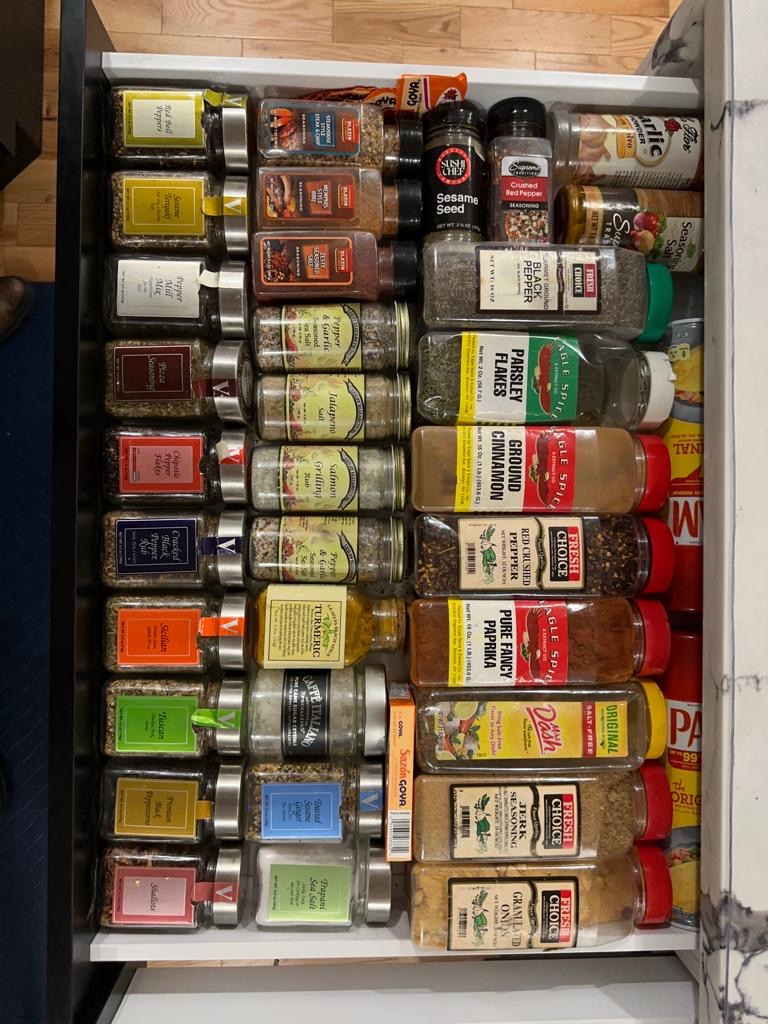
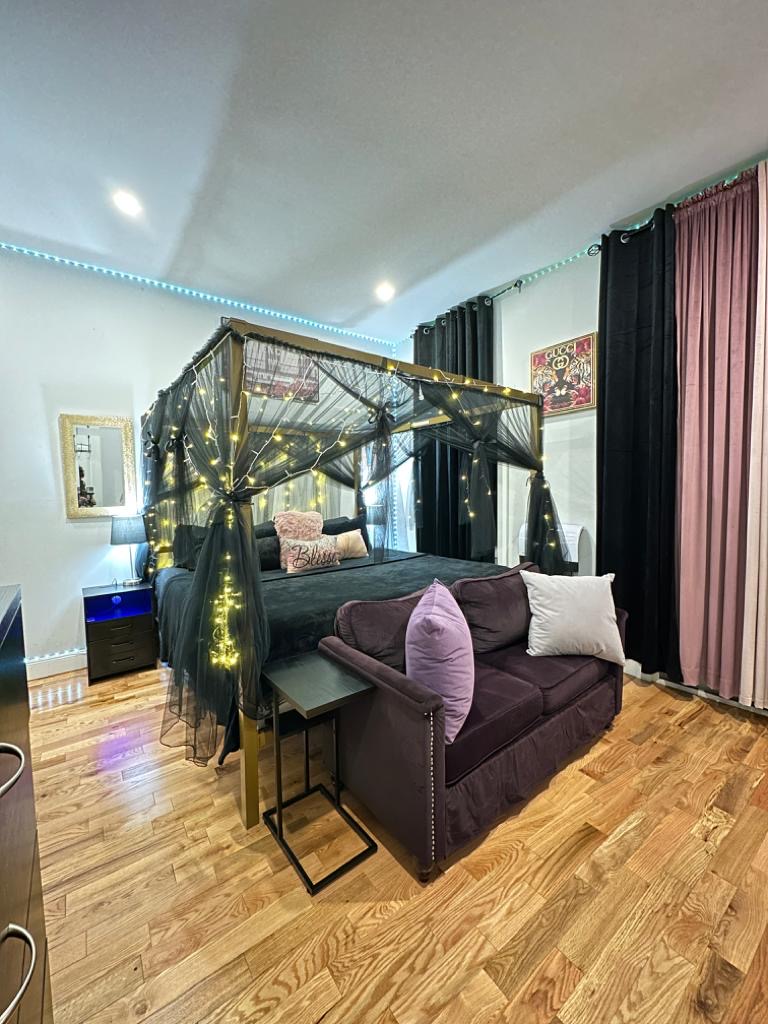
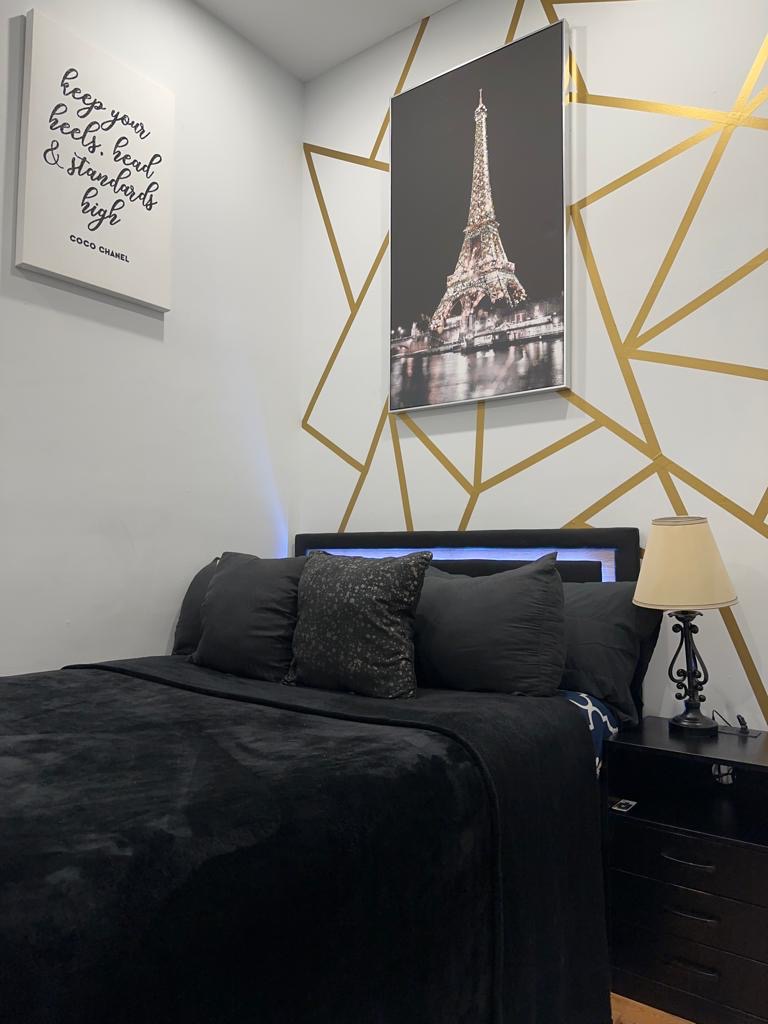
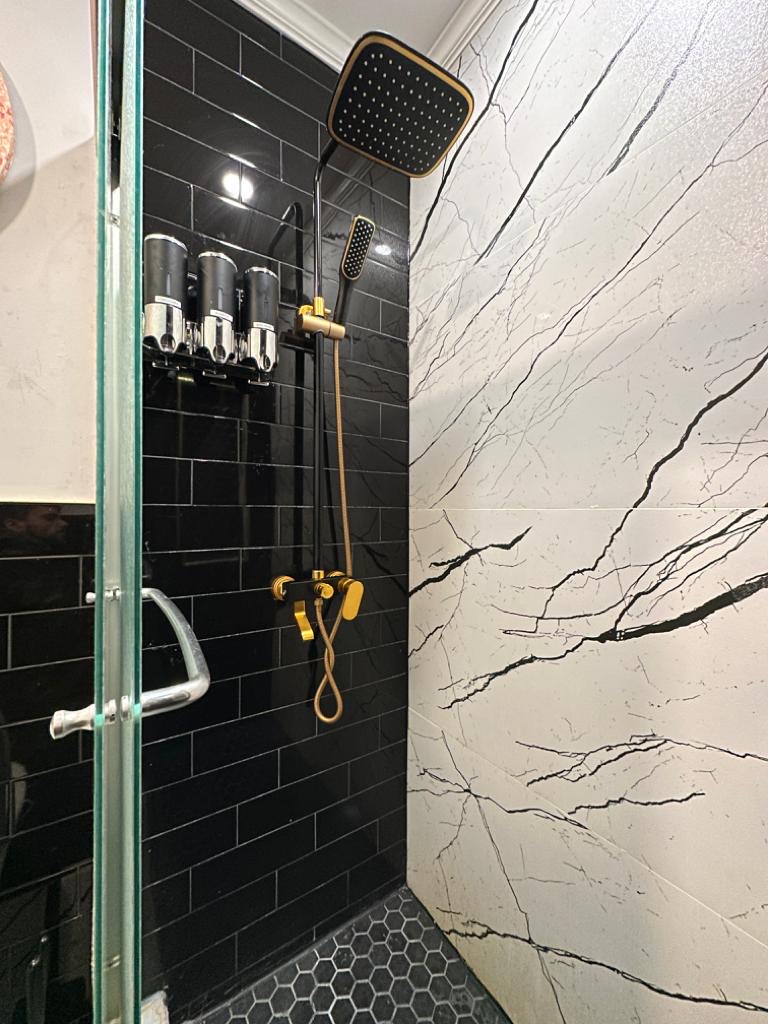
How We Support Recovery
Why Choose Essex Sober House for Personality Disorder Support?
At Essex Sober House, we believe people can build a strong life in recovery, even when mental health challenges make things feel complicated. Personality disorders can affect emotions, relationships, and daily routines. When you add addiction into the mix, it can feel even more overwhelming.
That is why our focus is on stability and structure. We offer a safe sober living environment in Brooklyn where residents can slow things down, follow a routine, and stay accountable. You are not doing this alone. You will be surrounded by people who are taking recovery seriously and working on real change.
We also understand that sober living is not the same as clinical treatment. We are not a medical facility, and we do not provide therapy on-site. Instead, we encourage residents to stay connected with outside licensed providers for therapy, psychiatry, and any other mental health services they need. Our home supports follow through and consistency, which is a big deal when symptoms feel unpredictable.
Our Supportive Approach
We keep things practical and resident focused. The goal is to help you feel more grounded day by day while you continue your clinical care outside the home.
Key parts of our support
Structured daily living: Routine and expectations that support stability and reduce chaos.
Accountability and encouragement: A recovery focused environment that helps you stay on track.
Support for your outside care plan: We encourage consistent attendance with therapy, psychiatry, outpatient services, and recovery meetings when appropriate.
Healthy coping habits: Residents are encouraged to build skills that support emotional regulation, such as better sleep routines, mindfulness, journaling, and stress management practices.
Community and belonging: Living around others who understand recovery can help reduce isolation and build healthier connections.
Take the First Step
Living with a personality disorder does not mean you cannot build a fulfilling life. With the right structure, support, and a clear plan, progress is possible.
If you are looking for a sober living home in Brooklyn that understands mental health challenges and takes recovery seriously, Essex Sober House may be a strong next step. Contact us to learn more about availability, house expectations, and how to get started.
Note: This page is for informational purposes only and does not constitute medical advice. Please consult a healthcare professional for personalized recommendations.